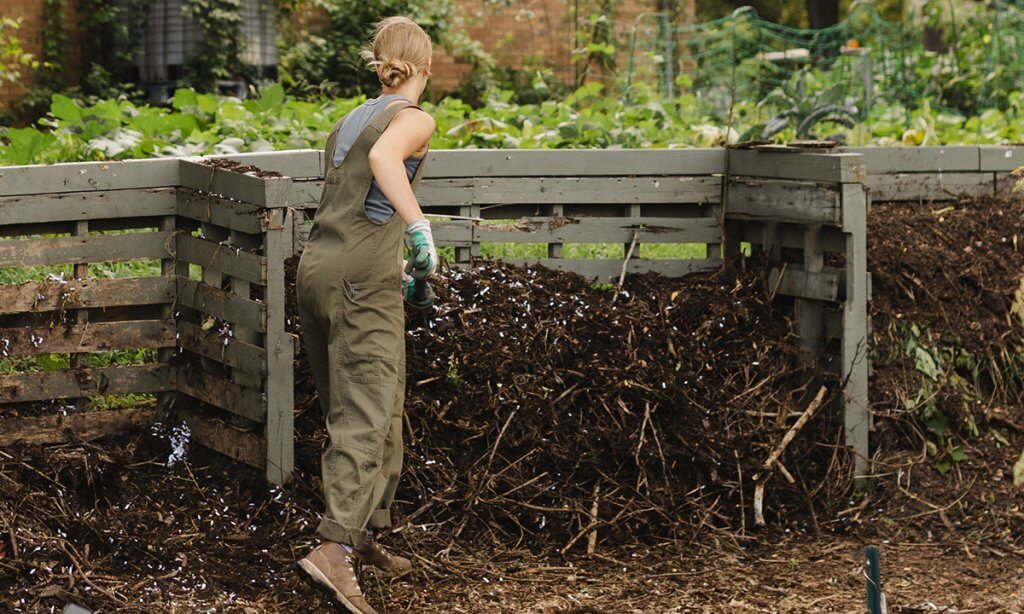
The Church’s approach to work and why it prays for workers

Q: My parish often prays for workers and farmers as part of the petitions. Can you explain the Church’s approach to work and why it prays for workers?
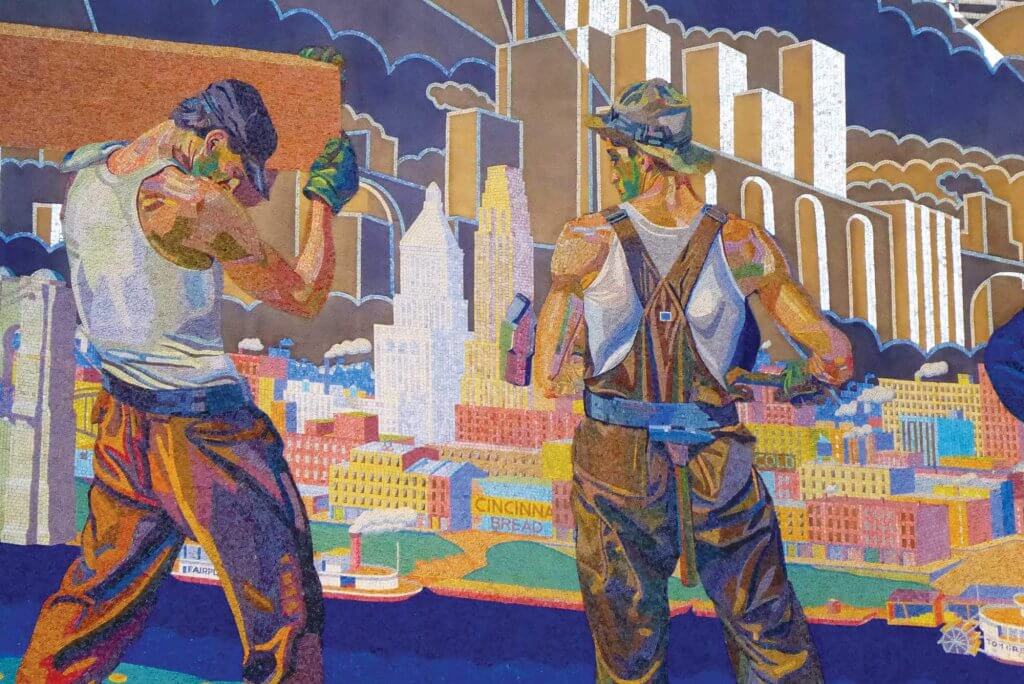
The Church has long prayed for workers because work is common to humanity and often arduous and dangerous. Every person is called to work, though work takes many forms and may be fulfilled in different ways according to a person’s circumstances and abilities.
Why Work?
Work is so essential to humanity that we find in the Scriptures, “If anyone is unwilling to work, neither should that one eat” (2 Thes 3:10). Unless prevented by old age, illness, or other circumstances, a person is meant to work. As the Catechism of the Catholic Church (CCC) relates, through work the person “exercises and fulfills … the potential inscribed in his nature” (CCC, no. 2428).
Work is natural and part of the divine plan for the human person. God’s first commandment to humanity to “fill the earth and subdue it” (Gn 1:28) is understood as a call to cultivate the earth and contribute to human flourishing. Work is not only for survival but to develop human potential, engage one’s talents and creativity, and serve one’s family and community.
Workers’ Dignity and Rights
A worker’s dignity, whether in paid employment, agriculture, the home, or other forms of labor, is rooted in being made in the image and likeness of God. Because of this God-given dignity, certain rights should be protected, including a fair wage for oneself and one’s family, freedom for workers to form associations like labor unions, and the assurance of appropriate rest and leisure.
The Church reminds us that “work is for man, not man for work” (CCC, no. 2428). The dignity of the human person must always take priority over economic interests, capital, and profit.
New Challenges
In his first encyclical, Magnifica Humanitas, Pope Leo XIV addresses contemporary challenges facing workers. The pope writes that automation and artificial intelligence (AI) are “rapidly transforming the very structure of work.” Concerned about their impact on workers, he writes, “It is said that this will bring great improvements for everyone … however, the ‘new ways’ of working are not necessarily better, for while AI promises to boost productivity by taking over mundane tasks, it frequently forces workers to adapt to the speed and demands of machines, rather than machines being designed to support those who work” (Magnifica Humanitas, no. 150).
While modes and circumstances of work change, the principles that underlie a proper understanding of work remain. The dignity and rights of workers must be assured. As the pope teaches, “Work is not simply an instrument, [but] it expresses and enhances the dignity of our lives” (Magnifica Humanitas, no. 149). Work, therefore, should be ordered toward the flourishing of the human person rather than allowing efficiency or profit to guide it.
Spiritual Support
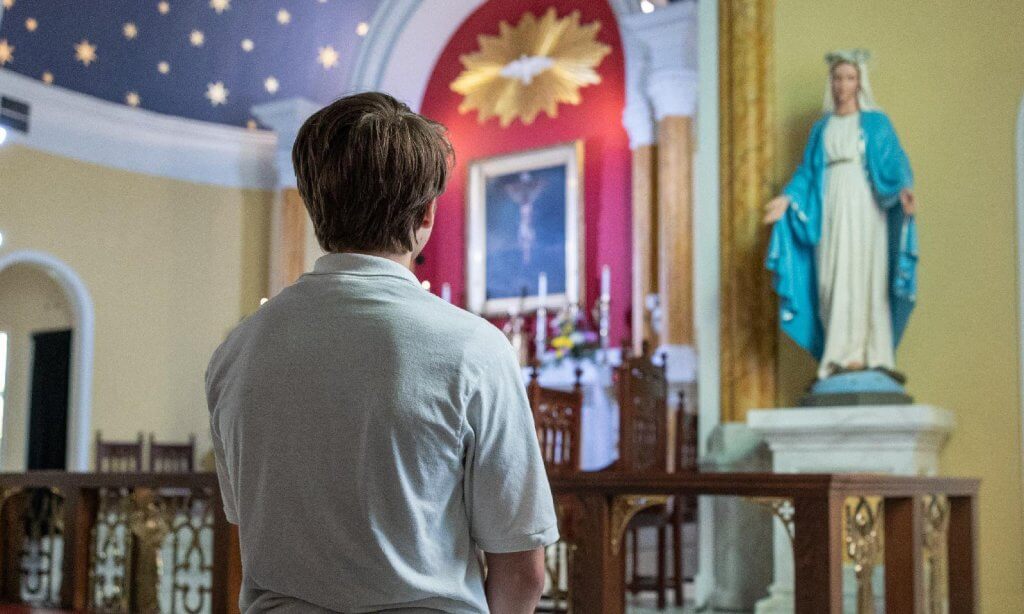
The Church prays for workers and farmers because labor has not only economic and social dimensions but also a spiritual one. Through these prayers, the faithful ask God to bless human labor, provide for daily needs, and help workers recognize their efforts as participation in God’s creative work.
Prayers for workers can be included in the general intercessions of the Mass, and the Roman Missal contains Mass prayers for the planting and harvesting of crops. Prayers for workers are especially appropriate on the feast of St. Joseph the Worker (May 1), which reminds us that work can be a path to holiness.
The Church’s teaching and prayer both witness to the material, spiritual, and moral dimensions of labor. Work is not merely a means of economic support but a participation in God’s creative plan and an expression of service to others.
More By This Author
- Fr. David Endres
- Fr. David Endres
- Fr. David Endres

Subscribe to the Ember
Weekly news from around the Archdiocese
Stay connected to our vibrant Catholic community! Sign up to receive our weekly digital newsletter The Ember. We’ll keep you informed and inspired with local news, fellowship opportunities, and event reminders.